News
For most drilling jobs in carbon steel, a water-soluble cutting fluid is the most practical choice: it cools the tool effectively, lubricates the cutting edge, and flushes chips out of the hole. However, stainless steel, aluminum, titanium, and cast iron all respond differently, so the real answer always depends on the material, the hole depth, and the drilling tool you are running.
Drilling produces concentrated heat at the cutting edge. The chip carries away most of the heat, but the workpiece and the drill still absorb enough to soften the tool material, cause built-up edge, and enlarge the hole. Without fluid, a solid carbide drill may start to smoke, the machine spindle may stall, and the hole exit can develop burrs or torn edges.
Cutting fluid addresses those problems in three ways:
When the fluid is applied correctly, tool life typically improves by 20–50% compared with dry drilling, and hole quality improves dramatically. The deeper the hole, the more important the fluid becomes, because chips have less room to escape. That is why head-changeable drills with internal coolant channels are often used on deep holes.
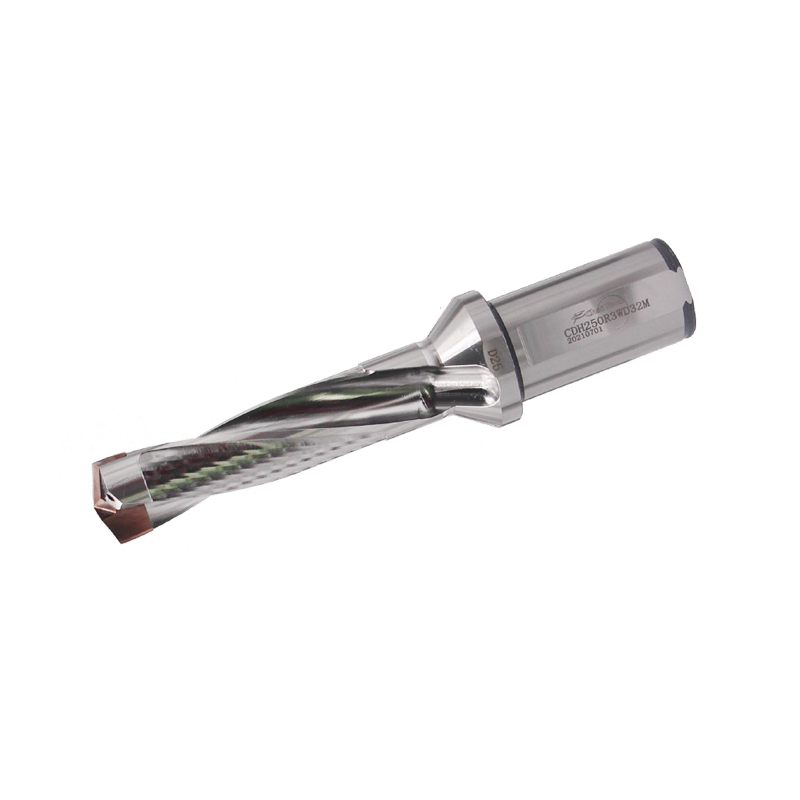
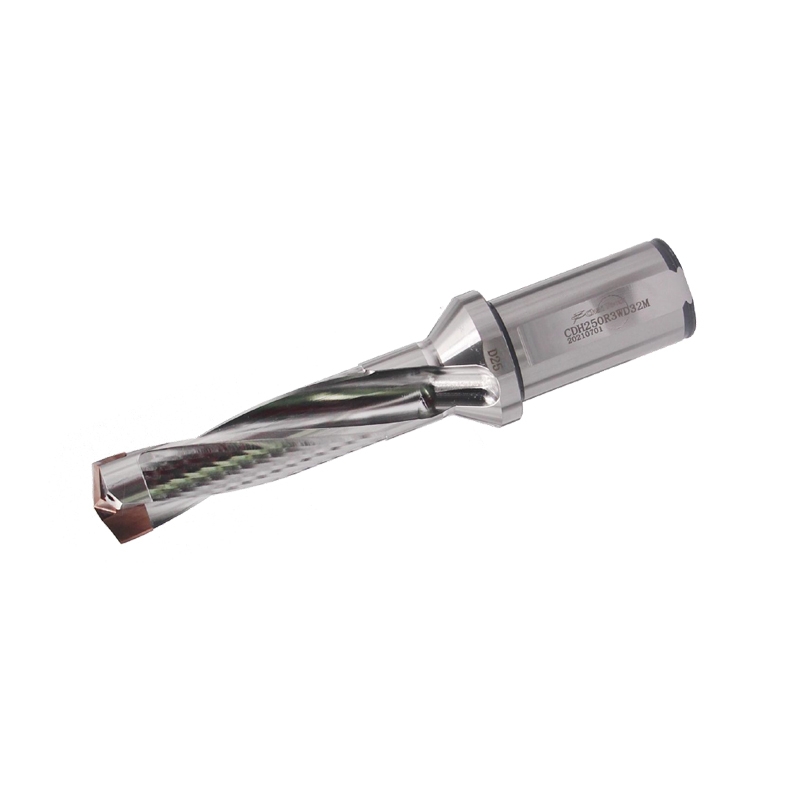 Head Changeable Drill with Internal Coolant Channels for Deep HolesThis head changeable drill is designed for deep hole drilling, where internal coolant channels help flush chips and improve tool life and hole quality.View Product →
There is no single “best” fluid for every shop. The choice is a trade-off between cooling, lubrication, cost, and maintenance. Here is a straightforward comparison of the four families.
| Type | Cooling | Lubrication | Main advantage | Main limitation |
|---|---|---|---|---|
| Neat oil | Moderate | Excellent | Highest lubricity for tough materials | High smoke and residue; larger shop cleanup |
| Water-soluble / emulsifiable | Excellent | Good | Balanced performance and low cost | Needs concentration control; may grow bacteria |
| Semi-synthetic | Very good | Good to very good | Cleaner operation with less oil carry-off | Slightly higher cost than emulsions |
| Full synthetic | Outstanding | Moderate | Best cooling; stable over long intervals | More expensive; less lubricity on hard-to-cut alloys |
For most general-purpose drilling in carbon and alloy steels, a water-soluble or semi-synthetic fluid with a concentration around 6–8% is a safe starting point. For stainless steel and nickel-based alloys, neat oil or a high-lubricity semi-synthetic may be better. For aluminum, a light oil or a low-foam soluble fluid is preferred.
The workpiece material is the strongest factor in fluid selection. A fluid that works beautifully on mild steel can produce poor surface finish on stainless steel, and can even damage a workpiece made of aluminum.
| Material | Recommended fluid | Why it works |
|---|---|---|
| Low / medium carbon steel | Water-soluble or semi-synthetic | Good cooling prevents work hardening; low cost |
| Stainless steel | Neat oil or high-lubricity semi-synthetic | Reduces friction and built-up edge; prevents galling |
| Aluminum | Light oil or low-foam soluble | Water-based fluid may leave stains; light oil avoids pitting |
| Cast iron | Dry or minimal mist | Chips are brittle; fluid mainly controls dust and temperature |
| Titanium / Inconel | High-performance synthetic or chlorine-free oil | High temperature and pressure demand excellent lubricity |
One practical observation: if you are drilling a deep hole in a difficult material, the fluid will only help if it can actually reach the cutting edge. That is where 3D solid carbide drills with through-coolant channels can make a visible difference in chip evacuation and hole tolerance.
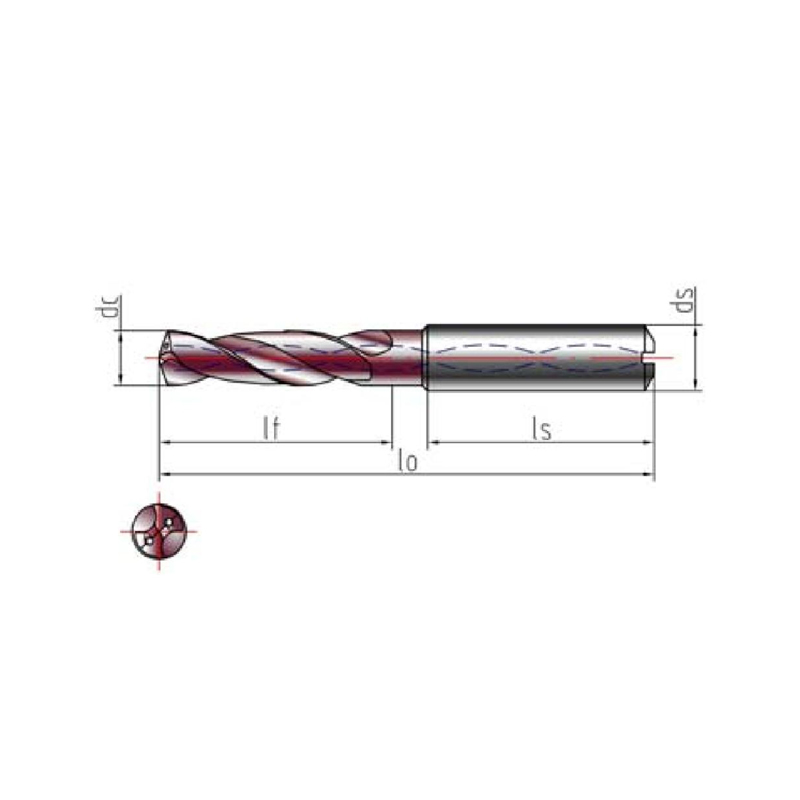
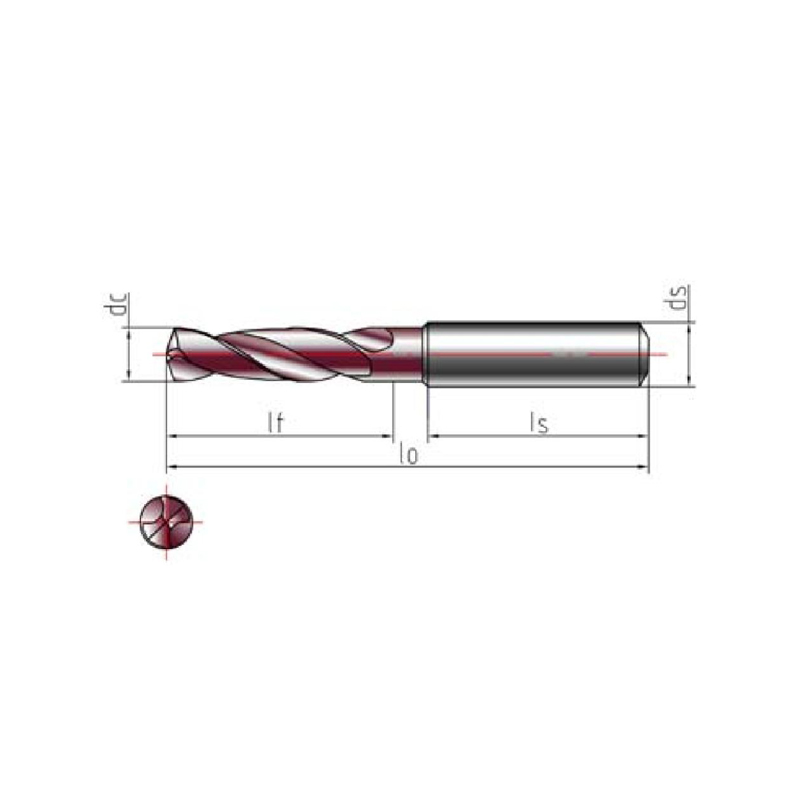 3D Solid Carbide Drill with Through-Coolant ChannelsThis 3D solid carbide drill features through-coolant channels to enhance chip evacuation and maintain tight hole tolerance in deep-hole applications.View Product →
How you apply the fluid matters as much as which fluid you choose.
In many production shops, indexable insert U drills are paired with through-coolant delivery because the deep hole and high metal removal rate demand both strong chip flushing and reliable cooling.
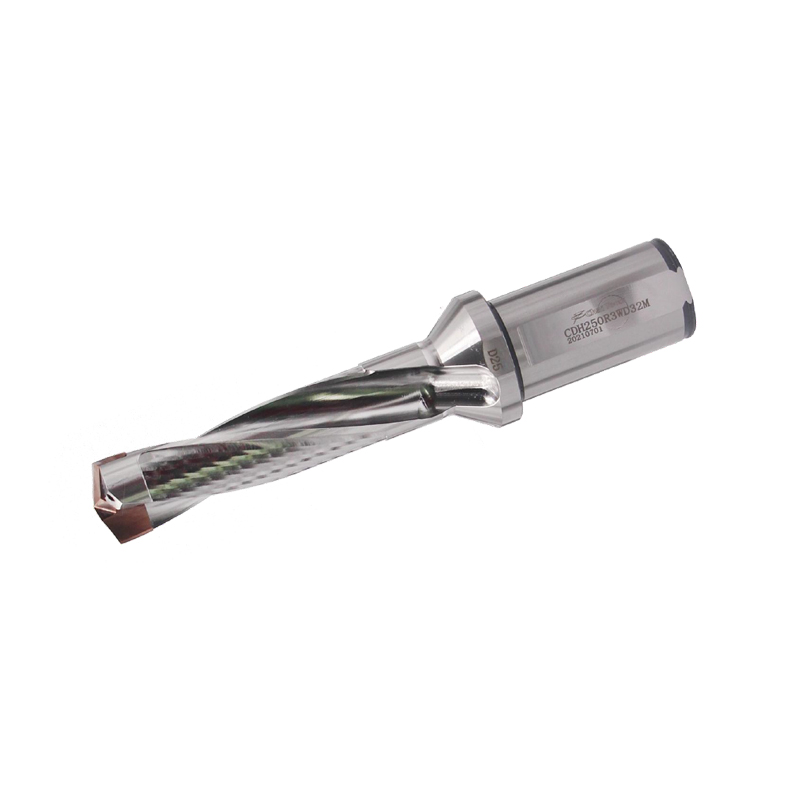
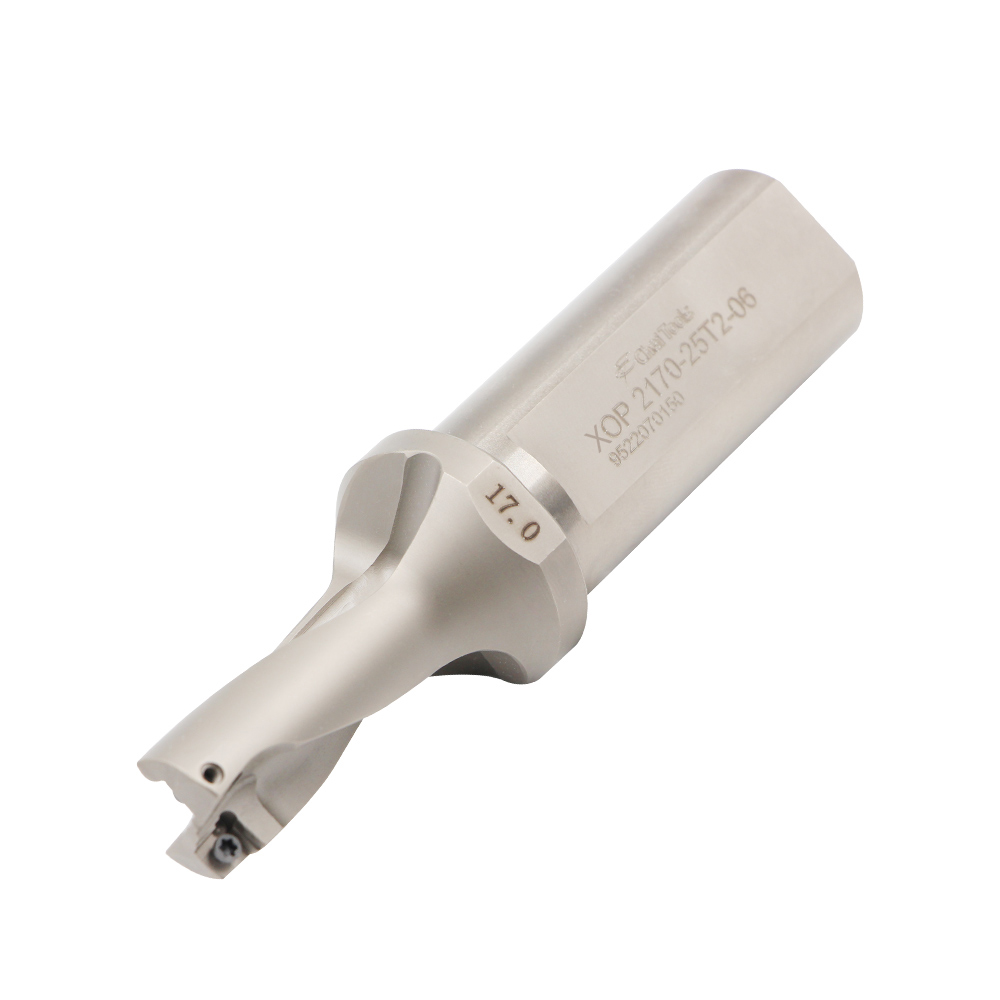 Indexable Insert U Drill for High Metal Removal RatesThis indexable insert U drill is typically paired with through-coolant delivery, making it suitable for deep holes and high metal removal rate operations.View Product →
There are a few habits that separate long, stable drilling runs from constant tool changes.
If you are switching from HSS drills to solid carbide, also remember that carbide runs hotter at the cutting edge, so fluid delivery becomes even more critical. Our article on solid carbide drills vs HSS explains the performance differences in more detail.
Motor oil can provide some lubrication, but it does not have the extreme-pressure additives or the cooling properties of a real cutting fluid. It will smoke quickly, leave a messy deposit, and may not prevent chip welding. It is acceptable for occasional hand drilling, but for production or deep holes it is not recommended.
Many hobbyists use a light aerosol spray to prevent aluminum chips from sticking. It works for occasional drills, but it leaves residue and lacks the cooling efficiency of a low-foam soluble fluid or a light machine oil.
No. Cast iron can often be drilled with minimal fluid. But for most other metals, and especially for deep holes, a steady supply of fluid will extend tool life and improve surface finish.
It depends on the volume of work and the cleanliness of the system. Check the concentration weekly, inspect the sump for bacterial growth, and change the fluid when it begins to smell or when the concentration drifts outside the recommended range.


ChaiTools is specializing in the research and development, design, production, sales and technical support of high-end CNC tools.
 +86-571-83502022
 +86-18867120330
+86-18857186736
+86-13615816276
 +86-571-82529638
 11 Floor of No.2 Wanyushuzhigu Building, Dongrui 4# road, Xintang Street, Xiaoshan District, Hangzhou City, Zhejiang Province, China. POST CODE 311201
Copyright © 2022 Hangzhou Chai Cutting Tools Co., Ltd. All Rights Reserved. CNC Turning Tool Holders Manufacturers


 English
 Deutsch
 русский
 Español
 中文简体