News
If you run high-volume production with consistent materials, indexable end mills deliver the best cost-per-part. If you need precision contouring, tight tolerances, or small-diameter work, solid carbide end mills are unmatched. Modular end mills sit in between — offering flexibility and quick changeovers without sacrificing too much performance.
Understanding the trade-offs between carbide, modular, and indexable designs is the foundation of smart tooling decisions. This guide breaks down each type with real performance data and practical selection criteria.
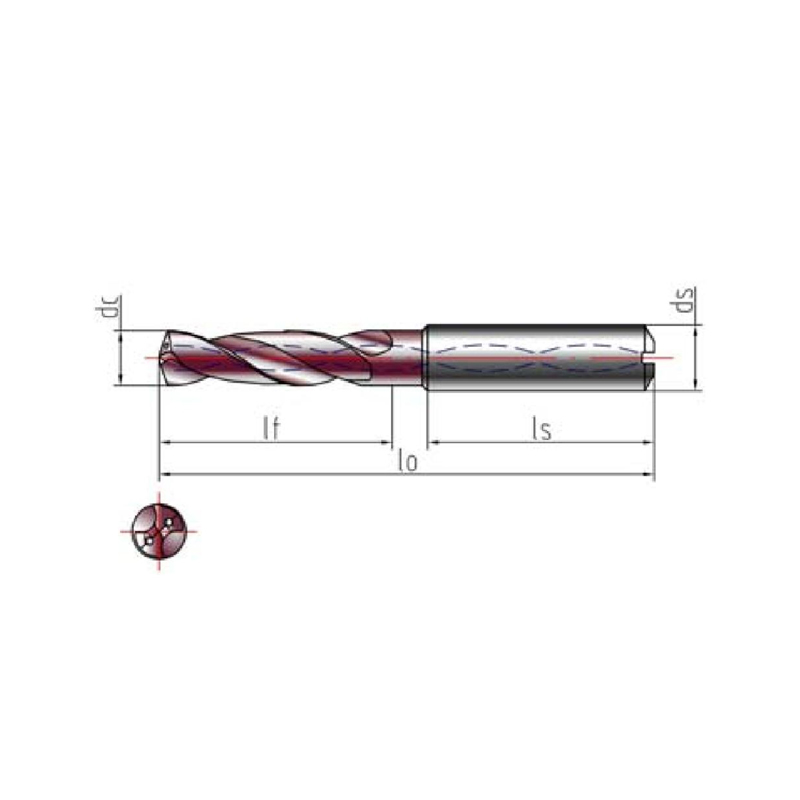
Solid carbide end mills are machined from a single piece of tungsten carbide, giving them exceptional rigidity and thermal resistance. They excel in applications where dimensional accuracy and surface finish are paramount.
Solid carbide is the go-to solution for mold making, aerospace components, and any application demanding sub-0.01 mm surface accuracy.
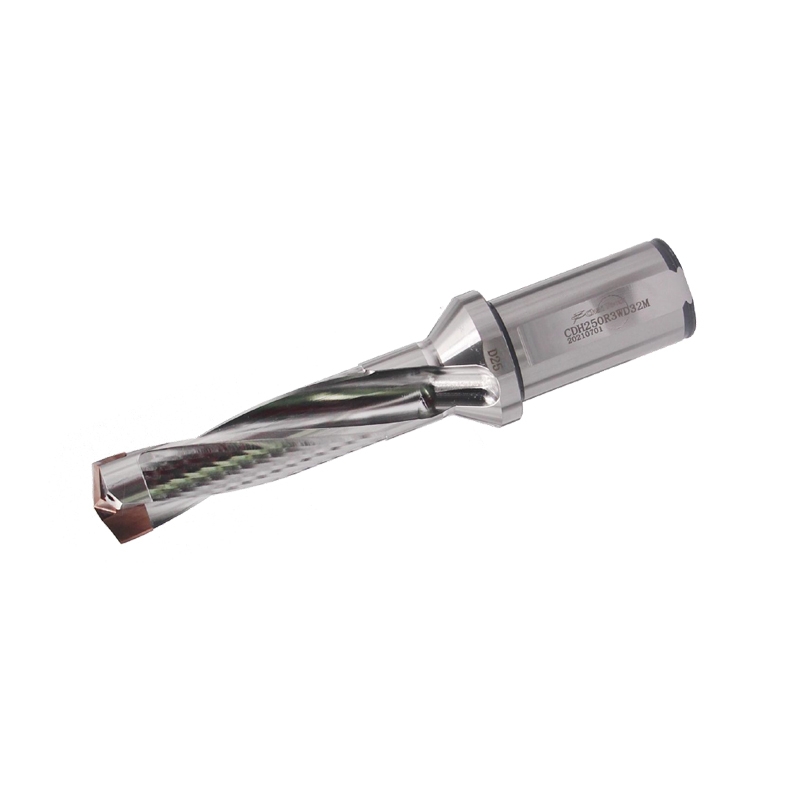
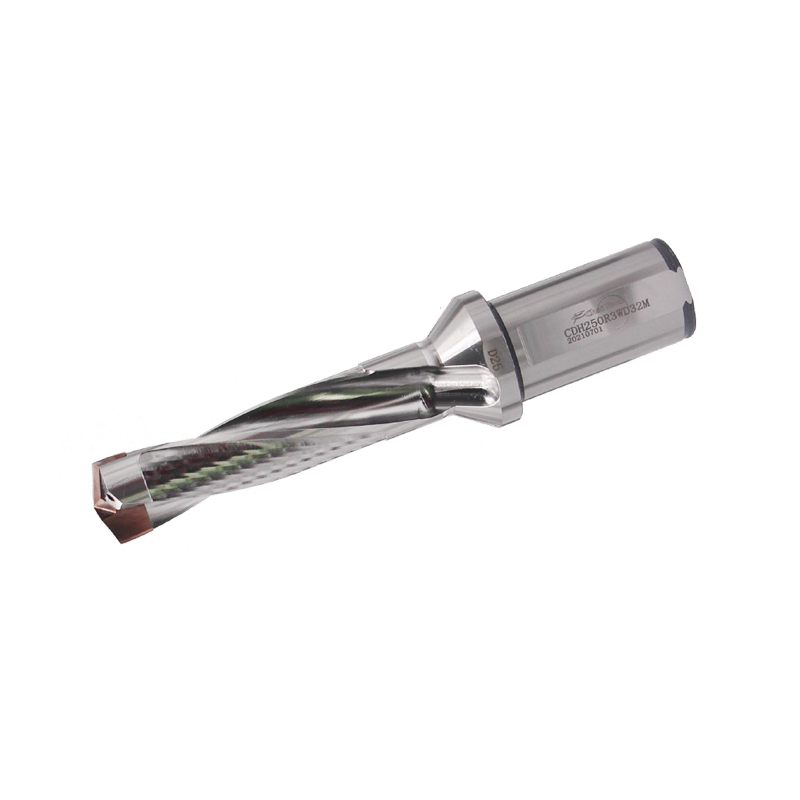
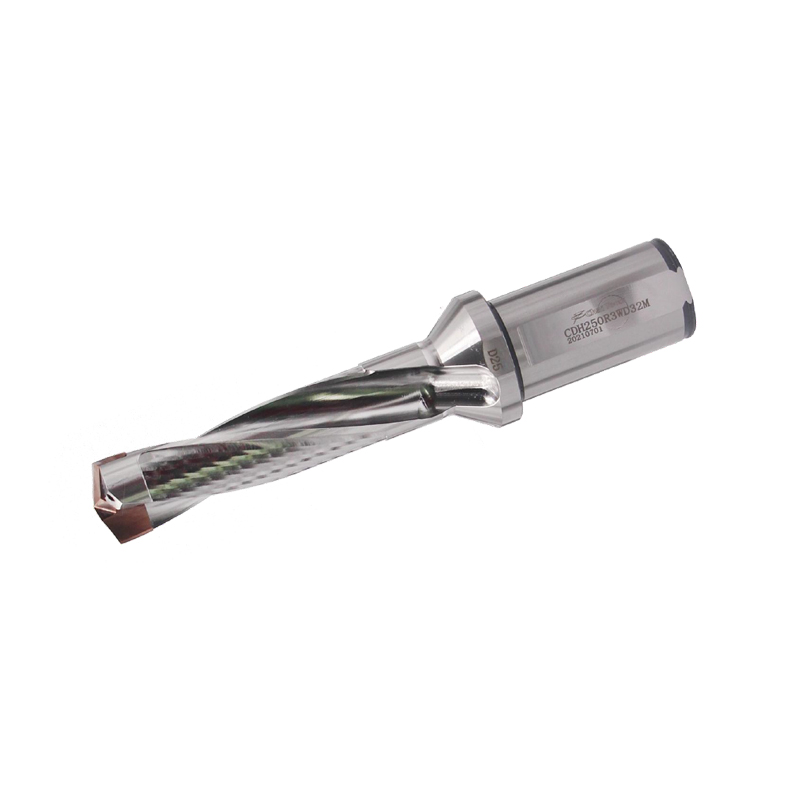
Modular end mills consist of a reusable steel or carbide shank body combined with interchangeable carbide cutting heads. This system reduces tooling costs while maintaining reasonable precision levels.
The coupling interface in modular systems introduces a minor reduction in rigidity compared to solid carbide — typically a 5–15% reduction in radial stiffness. This is acceptable for roughing and semi-finishing but may limit achievable surface finish in demanding finishing passes.
Repeatability at the interface is critical. Quality modular systems achieve repeat accuracy within 0.003 mm, making them viable for many production environments.
Indexable end milling cutters use replaceable carbide inserts secured to a steel body. When an edge wears, you rotate or replace only the insert — not the entire tool. This dramatically reduces per-part tooling costs in volume production.
| Tool Type | Initial Tool Cost | Replacement Cost | Best For |
|---|---|---|---|
| Solid Carbide (Ø16 mm) | $80–$200 | Full tool or regrind | Precision, small diameter |
| Modular (Ø20 mm) | $60–$150 (shank) + $30–$80 (head) | Head only | Flexible operations |
| Indexable (Ø32 mm) | $100–$300 (body) | $5–$20 per insert | High-volume roughing |
Indexable end mills are available with a broad range of insert grades — from uncoated carbide for cast iron to PVD-coated grades for stainless steel and high-temperature alloys. A single indexable body can accept inserts optimized for completely different workpiece materials, adding versatility that solid carbide tools cannot match.
| Criteria | Solid Carbide | Modular | Indexable |
|---|---|---|---|
| Precision (Ra) | Excellent (<0.4 μm) | Good (0.8–1.6 μm) | Moderate (1.6–3.2 μm) |
| Min. Diameter | 0.1 mm | 10 mm | 16 mm |
| Tooling Cost (long-term) | High | Medium | Low |
| Changeover Speed | Slow (full tool swap) | Fast (head swap) | Very Fast (insert flip/swap) |
| Rigidity | Highest | High | Medium |
| Volume Production | Moderate | Good | Excellent |
| Profile Variety | High (many geometries) | High (interchangeable heads) | Medium |
Use these criteria to guide your selection before purchasing:
In practice, most machine shops benefit from a combination of all three types: indexable for roughing, modular or solid carbide for semi-finishing, and solid carbide for finishing and small-diameter work.
Coating choice significantly affects tool life. TiAlN coatings provide excellent heat resistance for dry cutting of steel at high speeds. AlTiN is preferred for high-temperature alloys. DLC (Diamond-Like Carbon) coatings reduce friction in aluminum and copper machining, preventing built-up edge.
Fewer flutes (2–3) allow larger chip loads and better chip evacuation — ideal for aluminum and soft materials. More flutes (4–6+) increase rigidity and improve surface finish in steel. High-flute-count tools (7–9 flutes) are now common in high-efficiency milling (HEM) strategies for hardened steels.
A 30° helix is standard for general-purpose steel milling. A 45° helix reduces cutting forces and improves surface finish but increases axial pull-out risk. Variable helix designs suppress chatter in thin-wall or long-reach applications.
For indexable and modular tools, keep the overhang-to-diameter ratio below 4:1 whenever possible. Beyond this, vibration increases rapidly and insert life drops. Use a larger-diameter tool or a dampened toolholder for deep-cavity work.
Indexable end mills can be used for semi-finishing, but achieving Ra values below 1.6 μm is difficult. For critical surface finishes, solid carbide is recommended for the final pass.
Both are made from similar carbide grades, so wear rates are comparable. The modular head may show slightly faster wear near the coupling interface due to minor vibration at the joint.
Yes, but only for larger diameter ranges (16 mm+). The machine must also provide sufficient spindle power — indexable tools typically require more power than solid carbide due to larger cutting depths.
This depends on material, cutting parameters, and insert grade. In general steel milling, a typical insert edge lasts 15–45 minutes of cutting time. Monitor flank wear and replace when it reaches 0.3 mm to maintain part quality.
Regrinding is economical for tools above 6 mm diameter. Each regrind restores approximately 70–80% of original tool life at roughly 30–50% of new tool cost. However, diameter reduction must be accounted for in the CAM program.
Most indexable bodies are made from alloy steel with surface treatments (nitriding or coating) to resist wear and corrosion. Some high-performance bodies use carbide shanks for increased rigidity in long-reach applications.


ChaiTools is specializing in the research and development, design, production, sales and technical support of high-end CNC tools.
 +86-571-83502022
 +86-18867120330
+86-18857186736
+86-13615816276
 +86-571-82529638
 11 Floor of No.2 Wanyushuzhigu Building, Dongrui 4# road, Xintang Street, Xiaoshan District, Hangzhou City, Zhejiang Province, China. POST CODE 311201
Copyright © 2022 Hangzhou Chai Cutting Tools Co., Ltd. All Rights Reserved. CNC Turning Tool Holders Manufacturers


 English
 Deutsch
 русский
 Español
 中文简体