News
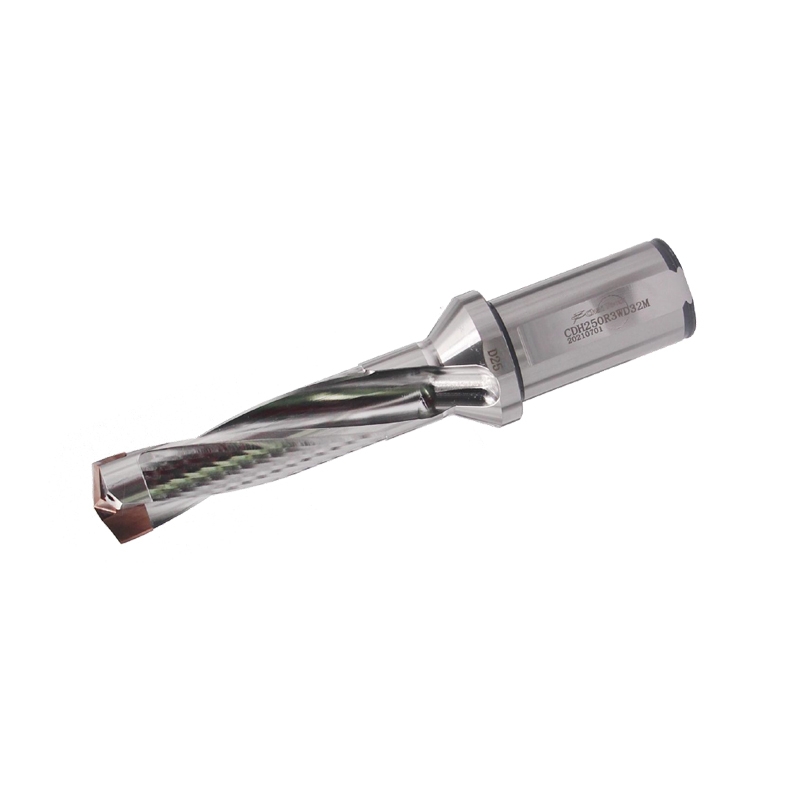
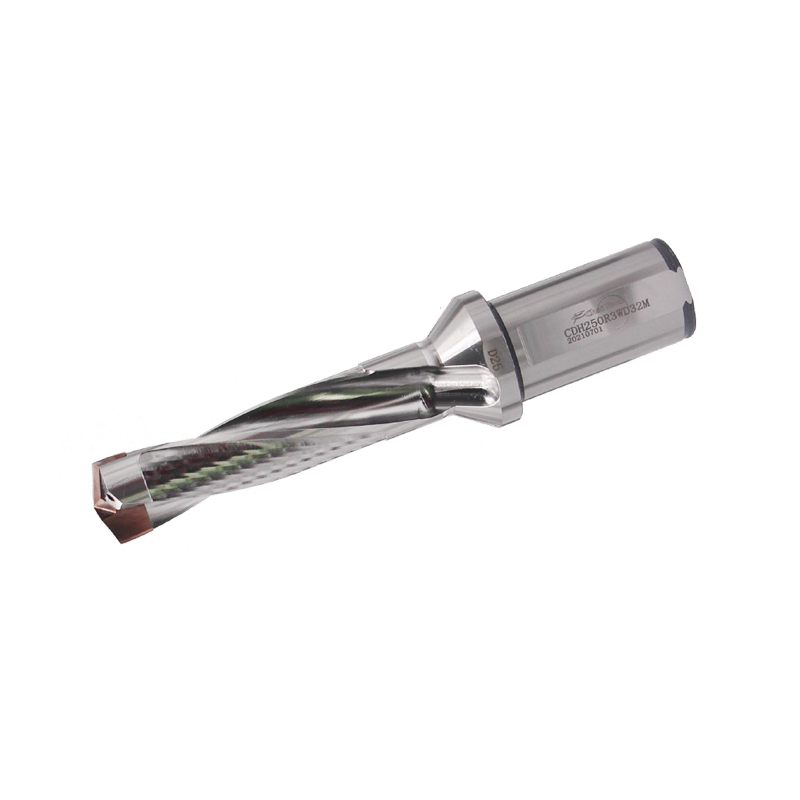
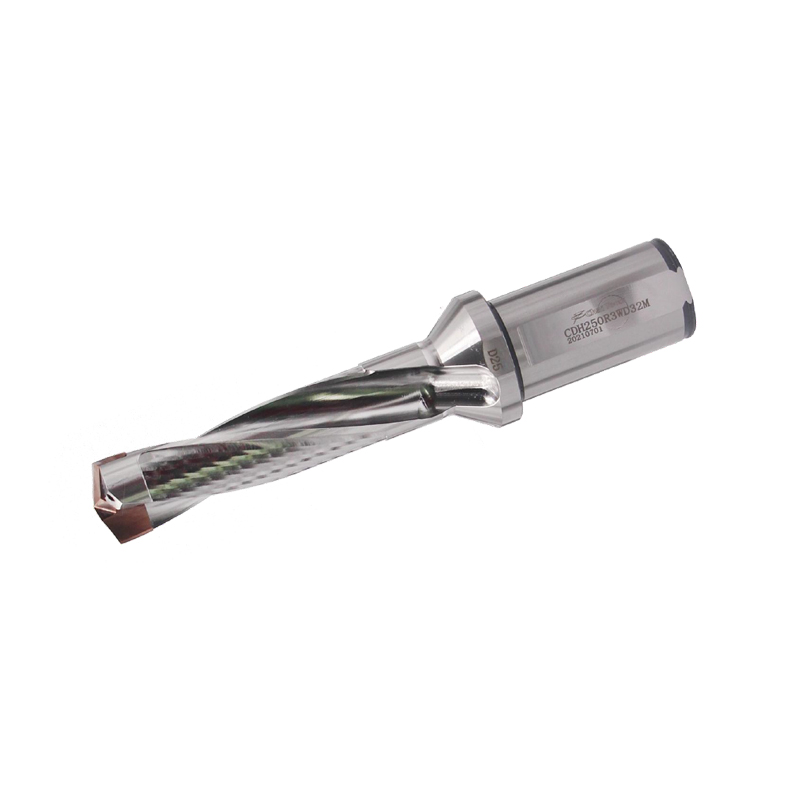
In modern manufacturing and industrial operations, versatility in tooling is critical. CDH-R7/R10 Head changeable drill has emerged as a practical solution for applications that require drilling across diverse material types. Unlike conventional drills, this system allows for rapid adaptation by changing drill heads, offering both flexibility and efficiency.
The core advantage of CDH-R7/R10 Head changeable drill lies in its modular head design. The drill consists of a main body, housing a motor and control interface, with interchangeable heads designed for specific material properties. The adaptability mechanism is based on the following principles:
This combination of modularity, precision, and operational flexibility makes CDH-R7/R10 Head changeable drill suitable for a wide range of materials, from soft plastics to hardened metals.
Soft materials, including plastics, composites, and light aluminum alloys, require lower torque and higher rotational speeds to prevent deformation or melting. CDH-R7/R10 Head changeable drill adapts to these materials by utilizing drill heads with coated cutting edges that reduce friction. Additionally, the drill’s variable speed control allows operators to maintain optimal cutting conditions, reducing the risk of material damage.
Table 1: Adaptation Parameters for Soft Materials
| Material Type | Recommended Drill Head | Speed Setting (RPM) | Torque Setting | Notes |
|---|---|---|---|---|
| Plastics | High-speed steel | 3000–5000 | Low | Minimize heat buildup |
| Composite Panels | Carbide-coated | 2500–4000 | Low-Medium | Reduce delamination risk |
| Light Aluminum | Cobalt alloy | 2000–3500 | Medium | Maintain smooth surface finish |
Medium-density materials, such as hardwood, stainless steel sheets, and industrial-grade aluminum, require a balance between torque and speed. The CDH-R7/R10 Head changeable drill achieves this through specialized drill heads with reinforced cutting surfaces and fluted designs to enhance chip removal. Operators can adjust the feed rate and pressure, ensuring smooth penetration without tool wear.
For high-density materials, including hardened steel and titanium alloys, the drill relies on high-performance carbide or diamond-coated heads. The adaptation strategy focuses on reducing wear, managing heat, and ensuring consistent hole geometry. The drill’s variable torque control and integrated cooling options further enhance its capability to operate efficiently in demanding applications.
Table 2: Adaptation Parameters for Hard Materials
| Material Type | Recommended Drill Head | Speed Setting (RPM) | Torque Setting | Cooling Requirements |
|---|---|---|---|---|
| Hardened Steel | Carbide-tipped | 500–1500 | High | Lubrication or coolant |
| Titanium Alloy | Diamond-coated or Carbide | 400–1200 | High | Active cooling necessary |
| High-Strength Steel | Multi-layer carbide | 300–1000 | High | Coolant and intermittent feed |
One of the defining features of CDH-R7/R10 Head changeable drill is its operational flexibility. The drill accommodates different drill head geometries, including twist, flat, and step drills, enabling adaptation to both through-holes and blind holes across materials. The tool also supports automated feed systems, allowing consistent penetration speed and minimal operator fatigue.
The drill’s control interface offers preset modes tailored to specific materials, which include recommended rotational speeds, feed rates, and torque settings. This reduces the learning curve for new operators and ensures consistent results across multiple shifts.
Proper maintenance is essential for maintaining performance across material types. CDH-R7/R10 Head changeable drill requires periodic inspection of drill heads, lubrication of moving components, and monitoring of torque and speed calibration. Frequent replacement of worn heads ensures continued adaptability.
Additionally, material-specific wear patterns should be tracked. For instance, drilling abrasive composites may dull cutting edges faster, while high-density metals increase heat stress on carbide heads. Regular cleaning and alignment checks extend the lifespan of both drill heads and the main body.
The adaptability of CDH-R7/R10 Head changeable drill makes it suitable for diverse industries:
The drill can integrate sensor-based monitoring systems that track temperature, torque, and vibration in real time. These sensors provide feedback to adjust speed and feed rates automatically, improving performance and reducing material damage.
CDH-R7/R10 Head changeable drill is compatible with external cooling systems and specialized lubricants. Proper cooling ensures stable operation when drilling metals with high hardness, preventing thermal deformation and extending tool life.
Recent design enhancements include heads with adjustable flute angles and interchangeable tips, allowing fine-tuning for optimal chip evacuation and penetration in different material densities.
While direct comparison to other tools is not the focus, the following table summarizes the core adaptive features of CDH-R7/R10 Head changeable drill across material types:
| Feature | Soft Materials | Medium-Density Materials | Hard Materials |
|---|---|---|---|
| Drill Head Type | Coated steel | Reinforced carbide | Carbide/Diamond |
| Torque Control | Low | Medium | High |
| Rotational Speed | High | Medium | Low |
| Cooling/Lubrication Requirement | Minimal | Optional | Essential |
| Feed Rate Adjustment | Manual | Semi-automated | Automated |
The CDH-R7/R10 Head changeable drill demonstrates exceptional adaptability to a wide range of materials due to its modular head design, precise control mechanisms, and advanced operational features. From soft plastics to hardened alloys, the drill accommodates different material properties through variable speed, torque adjustments, and specialized drill heads. By integrating proper maintenance routines and leveraging advanced sensor and cooling technologies, operators can achieve consistent results, extended tool life, and high operational efficiency.
The versatility of this drill makes it a practical choice for multiple industrial sectors, offering a balance between precision, efficiency, and adaptability. Understanding its operational parameters and material-specific strategies is essential for optimizing performance and ensuring safety.
1. Can CDH-R7/R10 Head changeable drill handle both metal and composite materials efficiently?
Yes, by using appropriate drill heads and adjusting speed and torque settings, the drill adapts efficiently to a variety of metals and composite materials.
2. How often should drill heads be replaced for optimal performance?
Replacement frequency depends on material hardness and usage intensity, but routine inspection after heavy usage is recommended.
3. Does the drill require specialized cooling systems for hard materials?
Yes, high-density metals often require active cooling or lubrication to prevent overheating and ensure consistent hole quality.
4. Can the drill settings be saved for repeated material-specific operations?
Yes, the drill’s control interface allows presetting modes tailored to specific materials, ensuring repeatable performance.
5. Is operator training necessary to maximize the drill’s adaptability?
Basic training is recommended to understand material-specific settings and drill head changes, although the system’s preset modes simplify operation.


ChaiTools is specializing in the research and development, design, production, sales and technical support of high-end CNC tools.
 +86-571-83502022
 +86-18867120330
+86-18857186736
+86-13615816276
 +86-571-82529638
 11 Floor of No.2 Wanyushuzhigu Building, Dongrui 4# road, Xintang Street, Xiaoshan District, Hangzhou City, Zhejiang Province, China. POST CODE 311201
Copyright © 2022 Hangzhou Chai Cutting Tools Co., Ltd. All Rights Reserved. CNC Turning Tool Holders Manufacturers


 English
 Deutsch
 русский
 Español
 中文简体