News
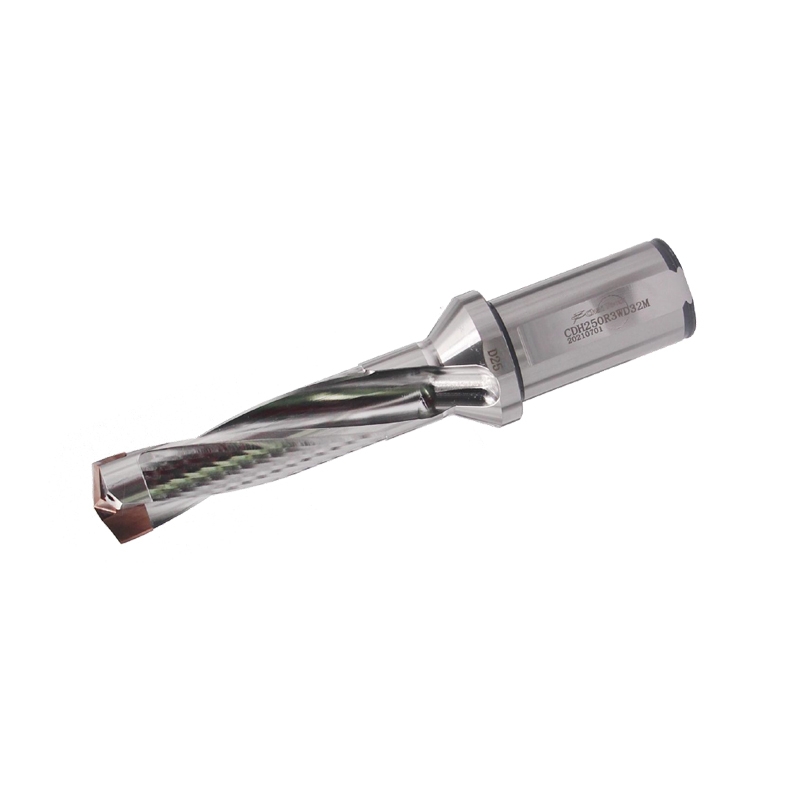
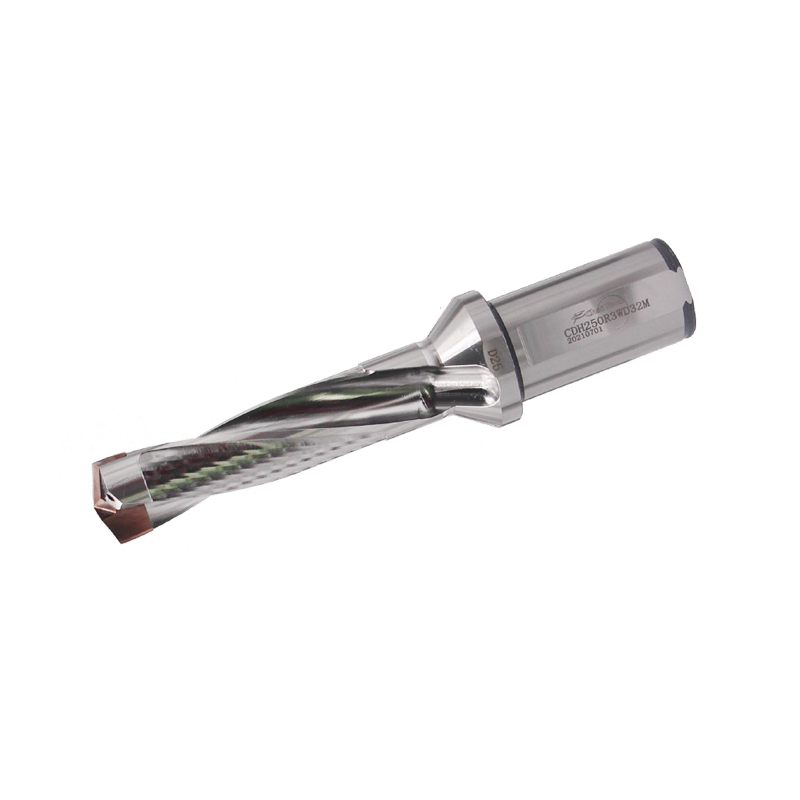
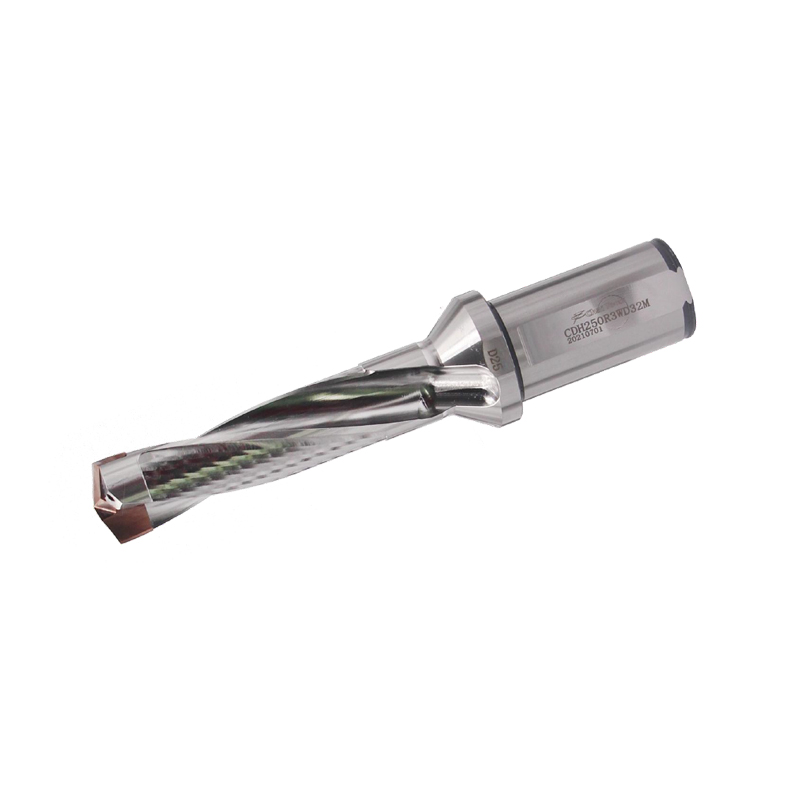
In industrial applications where corn milling is involved, the corn milling cutter holder plays a critical role in ensuring the efficient and precise operation of the milling process. While often overlooked, the design and quality of the corn milling cutter holder can significantly influence overall performance, product quality, and the longevity of both machinery and cutters. Precision, therefore, is not only desirable but essential in achieving high productivity and minimal downtime.
Precision in corn milling cutter holders ensures that the milling cutters are aligned and maintained at the correct angles throughout their operation. This consistent alignment guarantees a uniform cutting action, which is crucial in producing high-quality corn products. Without precision, there could be deviations in the cutting process, leading to inconsistent particle sizes, which can negatively affect the quality of the final product.
Milling efficiency is directly influenced by the precision of the corn milling cutter holder. When the holder is precisely designed and aligned, it reduces friction between the cutter and the material, enabling faster and more efficient processing. Inaccurate cutter positioning, on the other hand, can lead to unnecessary resistance, slower processing times, and increased energy consumption. By ensuring the cutter is held securely in place with minimal deviation, precision contributes to smoother and faster milling.
The lack of precision in a corn milling cutter holder can result in uneven wear on the milling cutters, leading to faster degradation and the need for more frequent replacements. A well-designed, precisely manufactured cutter holder can reduce unnecessary wear by maintaining consistent cutter positioning, thereby prolonging the service life of the cutter and reducing overall operational costs.
The precision of a corn milling cutter holder starts with the manufacturing process. High-quality materials and tight manufacturing tolerances are essential for ensuring that each cutter holder maintains the required precision. Any deviation in the material properties, such as inconsistencies in hardness or dimensional accuracy, can lead to operational inefficiencies. It is crucial to manufacture cutter holders to exact specifications to guarantee consistent and reliable performance.
Materials chosen for the corn milling cutter holder should not only be strong but also designed to withstand the stress and forces exerted during the milling process. Precision is influenced by the material’s ability to maintain its shape and integrity under load. Common materials include high-strength alloys that resist wear and deformation, ensuring that the holder maintains the required precision even after prolonged use.
The design of the corn milling cutter holder must prioritize alignment and stability. A precision-focused design ensures that the cutter remains in the optimal position during operation, with minimal movement or vibrations that could disrupt cutting accuracy. Additionally, the assembly process should involve carefully calibrated components to prevent misalignment, which could affect the cutting process.
The corn milling cutter holder does not function in isolation; it is part of a larger system of components, including the milling cutters, the drive mechanism, and the material feeding system. Precision in the cutter holder ensures that it interacts seamlessly with other components, maintaining synchronization and minimizing issues such as jamming or uneven cutting. When precision is compromised in one part of the system, it can have a cascading effect on the entire milling process.
In milling systems, stability is key to ensuring continuous operation without interruptions. Precision in the corn milling cutter holder helps to stabilize the cutter during its rotation, preventing wobbling or deviations that could cause sudden stops or slowdowns in the system. This leads to more reliable operations, fewer breakdowns, and reduced maintenance requirements.
Many modern milling systems are automated, with sensors and controls that require highly accurate component integration. Precision in corn milling cutter holders allows for smoother integration with automation systems, ensuring that the machinery can adjust cutter positions dynamically for optimal performance without compromising accuracy.
To achieve the highest level of precision, advanced manufacturing techniques such as computer numerical control (CNC) machining and laser cutting can be used. These technologies allow for tighter tolerances and more intricate designs that cannot be achieved through traditional manufacturing methods. By employing these techniques, manufacturers can ensure that each corn milling cutter holder meets the required precision standards.
Implementing rigorous quality control procedures throughout the production process is essential for ensuring that the corn milling cutter holder meets the desired precision. This may involve precise measurements using specialized tools like coordinate measuring machines (CMM) and periodic testing under real-world operating conditions to validate performance. Testing ensures that any deviations from the ideal specifications are identified and corrected before the product is deployed.
Even the most precise corn milling cutter holders require regular maintenance to maintain their accuracy over time. Periodic calibration ensures that the cutter holder remains within tolerance and continues to perform effectively. Maintenance procedures should include checks for alignment, wear, and possible deformations, which could impact precision.
Precision is essential in the design, manufacturing, and operation of corn milling cutter holders. It plays a crucial role in ensuring high-quality production, reducing wear, and enhancing overall milling efficiency. By focusing on advanced manufacturing techniques, quality control, and regular maintenance, manufacturers can achieve the precision required for optimal milling operations.
The relationship between precision and milling system performance highlights the importance of considering the entire system when designing and maintaining corn milling cutter holders. Achieving precision ensures not only the reliability of individual components but also the efficiency and stability of the entire milling process.
Precision helps maintain alignment, reducing uneven wear and tear, thus extending the cutter holder’s lifespan.
Yes, precision ensures uniform cutting, which directly affects the consistency and quality of the final product.
Common materials include high-strength alloys, which provide durability while maintaining dimensional stability under operational stress.
Precision allows for better integration with automation systems, ensuring smoother operation and more accurate cutter adjustments.


ChaiTools is specializing in the research and development, design, production, sales and technical support of high-end CNC tools.
 +86-571-83502022
 +86-18867120330
+86-18857186736
+86-13615816276
 +86-571-82529638
 11 Floor of No.2 Wanyushuzhigu Building, Dongrui 4# road, Xintang Street, Xiaoshan District, Hangzhou City, Zhejiang Province, China. POST CODE 311201
Copyright © 2022 Hangzhou Chai Cutting Tools Co., Ltd. All Rights Reserved. CNC Turning Tool Holders Manufacturers


 English
 Deutsch
 русский
 Español
 中文简体